Little Words, Big Impacts
A lot has happened since Rare Disease Month! In this newsletter, we share an update from CHF's research fellow, Dr. Nattaya, an exciting community event & fundraiser happening this month, and our community's biggest NALCN-related concerns.
Catching Up with Dr. Nattaya Thongsepee
From Thailand to France, and back again — a scientist's journey to unlock new therapies for NALCN patients
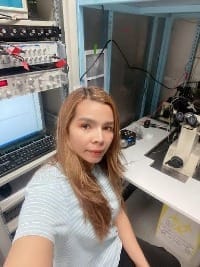
Dr. Nattaya Thongsepee is an Assistant Professor at Thammasat University in Thailand and the Channeling Hope Foundation's first-ever research fellow. For the past three years, she has been based at the Institut de Génomique Fonctionnelle (IGF) in Montpellier, France, working in Dr. Arnaud Monteil's laboratory to identify molecules that could one day treat patients with CLIFAHDD Syndrome. We connected with Dr. Nattaya to congratulate her on her recent publication and to learn what's next in her groundbreaking work as our inaugural research fellow.
What did you work on during your time in France?
My time in France has been an extraordinary scientific adventure. I joined Dr. Arnaud Monteil’s laboratory, initially for two years through a university grant, with the ambitious goal of identifying molecules that modulate NALCN ion channel activity, molecules that could one day treat patients with CLIFAHDD Syndrome. My first challenge was mastering the patch-clamp technique, a highly specialized method for measuring and recording ion channel activity at the cellular level. From there, I developed a robust and reliable cellular system capable of capturing NALCN currents, no small feat given how notoriously difficult this channel is to work with. With that foundation in place, I have been able to systematically identify and characterize molecules of therapeutic interest. The work is ongoing and deeply rewarding. I am truly grateful to the Channeling Hope Foundation for extending my stay to a third year; without that support, many of these advances simply would not have been possible.
What do you hope to continue as you return to Thailand?
This project has become a central part of who I am, both as a scientist and as a person. Returning to Thailand does not mean stepping away from this work, quite the opposite. My immediate priority is to secure funding to establish the patch-clamp technique at Thammasat University, creating the infrastructure needed to continue NALCN research. Generously, Dr. Arnaud Monteil has agreed that I may bring all the tools and cellular systems I have developed, ensuring real continuity. There is still so much to do: we have a pipeline of molecules awaiting thorough characterization. Beyond that, recent findings from the laboratory have revealed that not all NALCN mutations are gain-of-function, raising important questions about the different mechanisms by which these mutations cause disease. Understanding this diversity is essential for designing targeted therapeutic strategies, and it is a direction I am very eager to pursue.
What is your favorite part of researching NALCN?
What draws me most to NALCN is precisely how formidable it is. This is one of the most challenging ion channels in existence to study – it's technically demanding, scientifically complex, and full of surprises at every turn. That is exactly what keeps me motivated. Science without challenge quickly loses its excitement. But beyond the intellectual thrill, what truly sustains me is the human dimension of this work. Being able to meet and speak with the families of affected patients is something I treasure deeply. Their resilience and hope remind me every day why this research matters. Knowing that the molecules we identify could one day become real treatments for real people, that would be the ultimate reward.
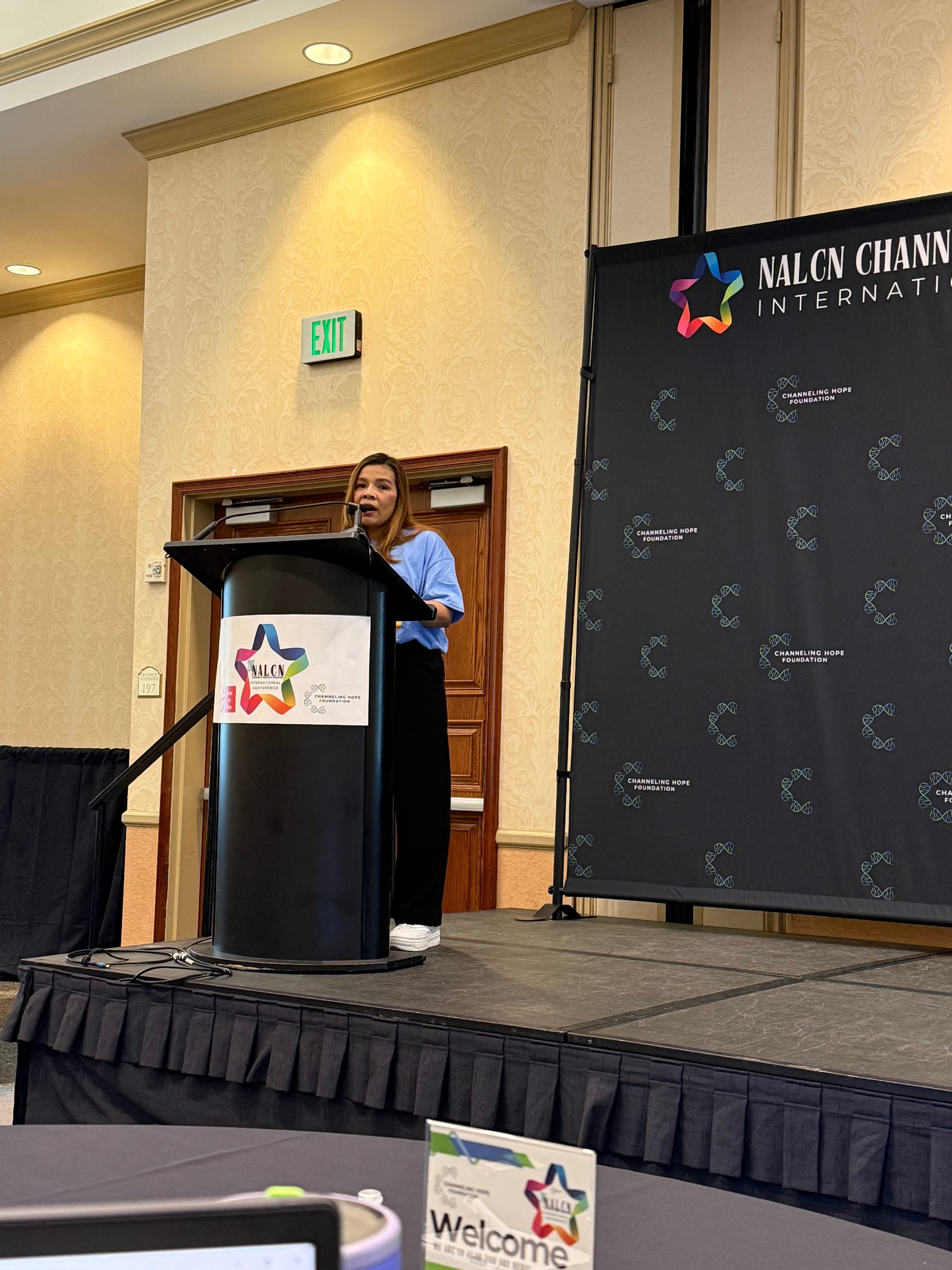
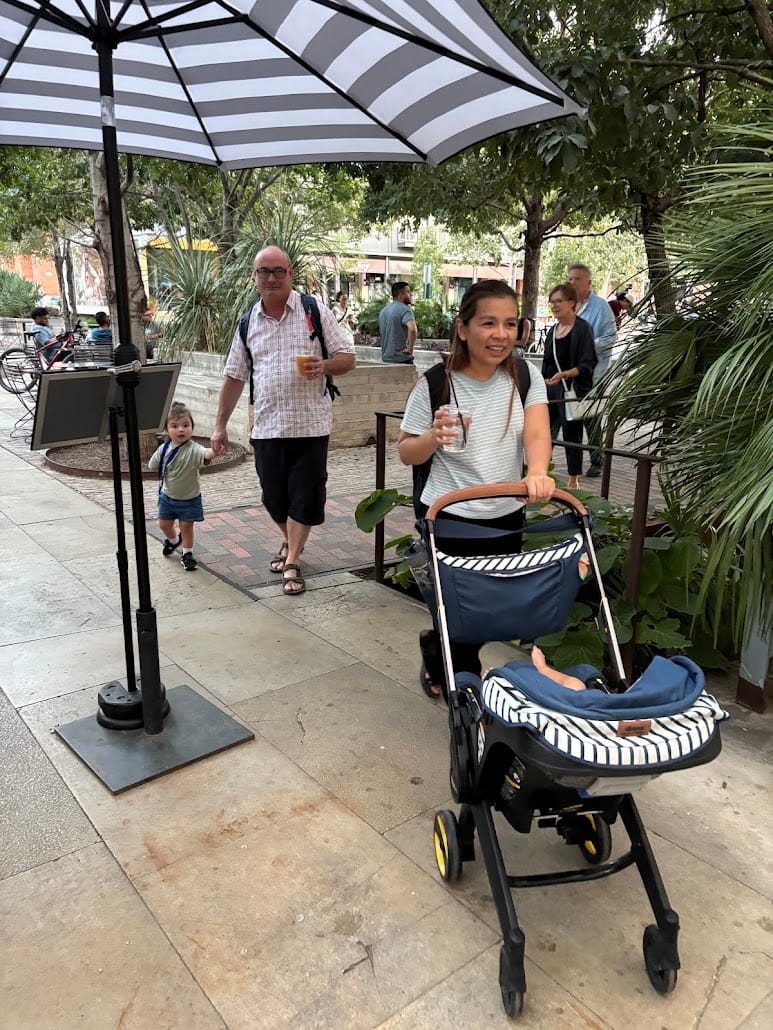
Left: Nattaya presents at the 2nd International NALCN Conference. Right: Nattaya & Arno explore San Antonio with Cora (age 3, CLIFAHDD Syndrome) and her baby sister while visiting for the conference.
What is your hope for the future of NALCN research?
My greatest hope is that one day we will have effective treatments available for every patient carrying a mutation — not only in NALCN itself, but also in the auxiliary proteins that regulate it, like UNC79, UNC80, and FAM155. The burden these patients and their families carry is profound, and they deserve far better options than currently exist. Beyond NALCN-linked syndromes, I am firmly convinced that the ability to modulate NALCN function holds broader therapeutic promise. The path ahead is long and demanding, but I remain genuinely optimistic. The tools are improving, the scientific community is growing increasingly aware of NALCN, and the collective will to make a difference is strong. So I will say, as I often do: it is not a question of whether we will succeed, only of when. I will do my best.
Dr. Nattaya's fellowship has been made possible by the generous support of the Channeling Hope community. We are extremely grateful to her and Dr. Monteil for their tireless effort to understand NALCN and NALCN-related diseases. To learn more about their work and CHF's research programs, visit channelinghope.org.
Little Words Project: Build a Bracelet. Spread Hope.
We are hosting a community event in the heart of Boston's Seaport — and every bracelet purchased supports Channeling Hope's mission to advance care and treatment for NALCN-related diseases.
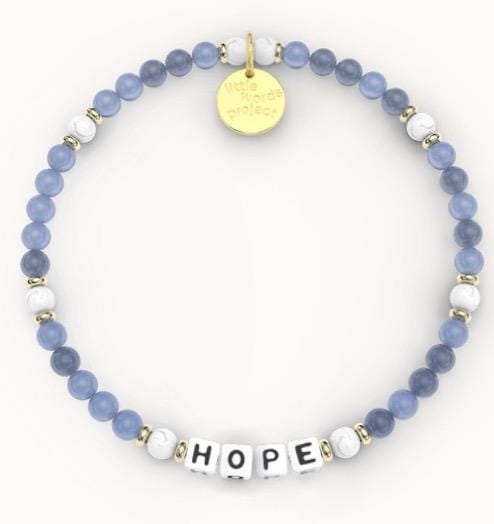
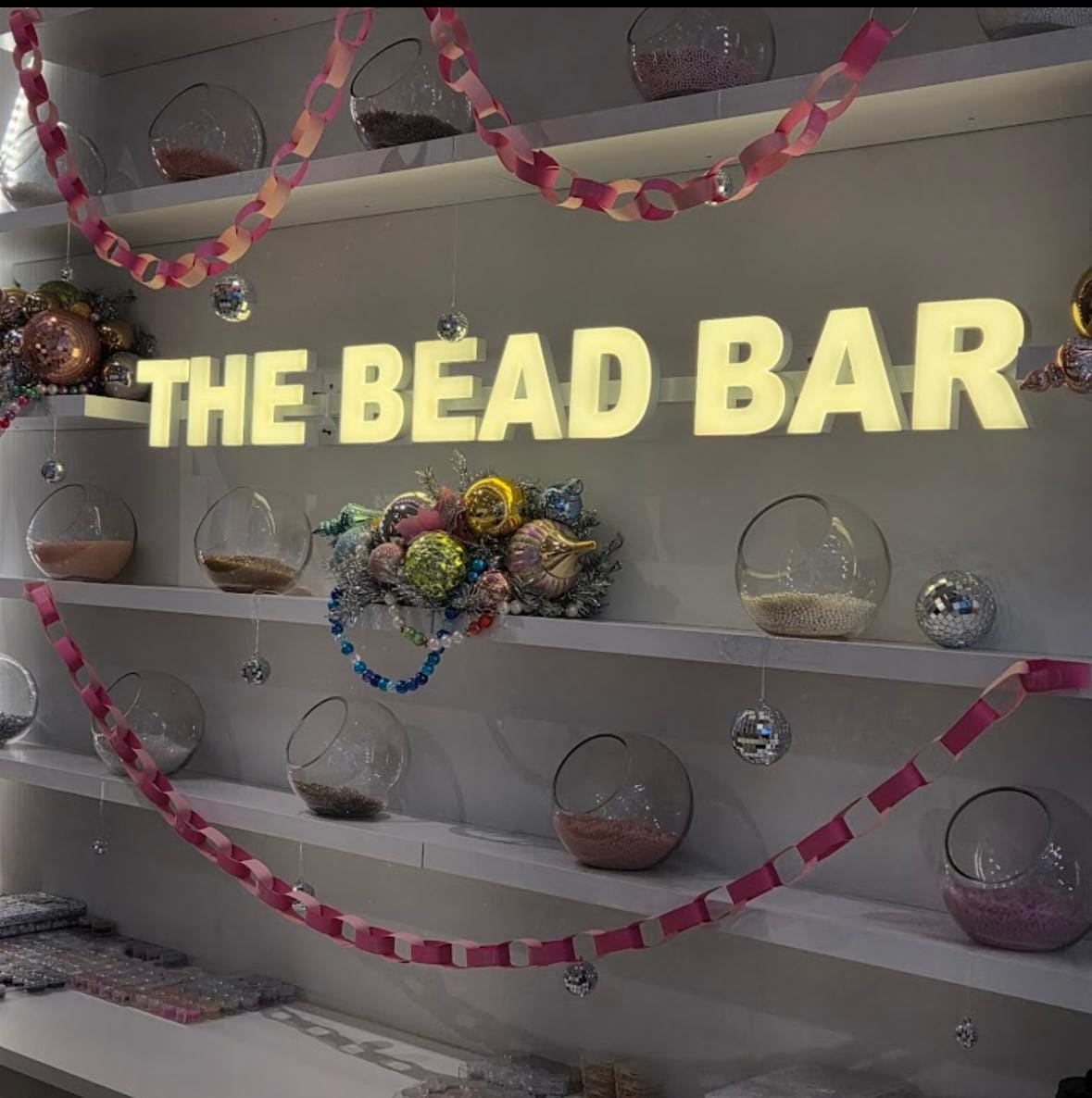
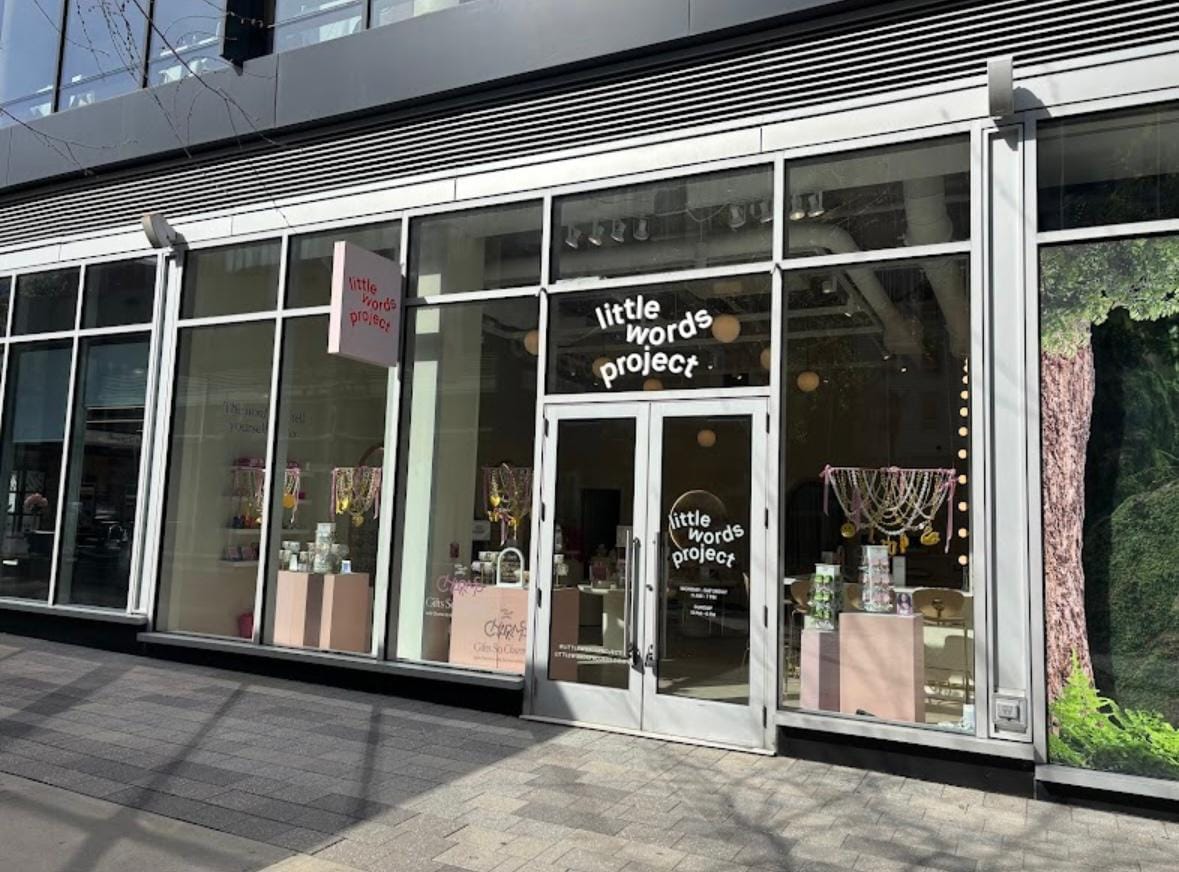
We are thrilled to invite the Channeling Hope community to a special in-store event at Little Words Project in Boston's Seaport neighborhood. Little Words Project is known for its beautiful beaded bracelets, each carrying a meaningful word — and on May 31st from 1-3pm ET, every bracelet purchased from the Boston store will fund research to develop treatments for individuals affected by NALCN-related diseases.
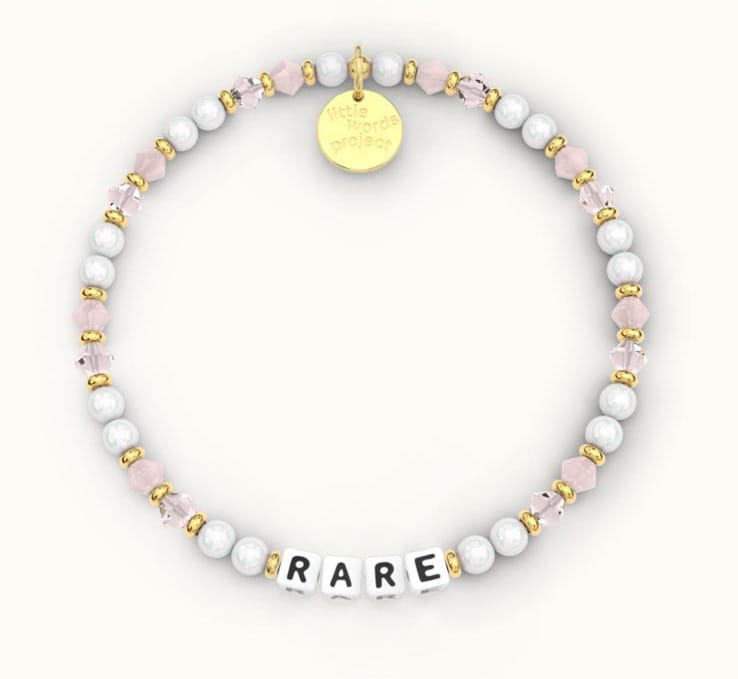
Join us for a meaningful Sunday afternoon with the Channeling Hope team. Create your own bracelet, connect with others, and be part of a community united by hope. Pre-made “HOPE” and “RARE” bracelets will also be available.
Can’t make it to Boston? You can still participate! Call in your order (857-233-4639) from 1-3pm EDT and help us raise hope as we work toward a clinical trial and impactful treatments for NALCN-related diseases.
What You're Telling Us: Early Findings From Our Short Survey
We asked our caregiving community what matters most. Here is a glimpse at what we are hearing.
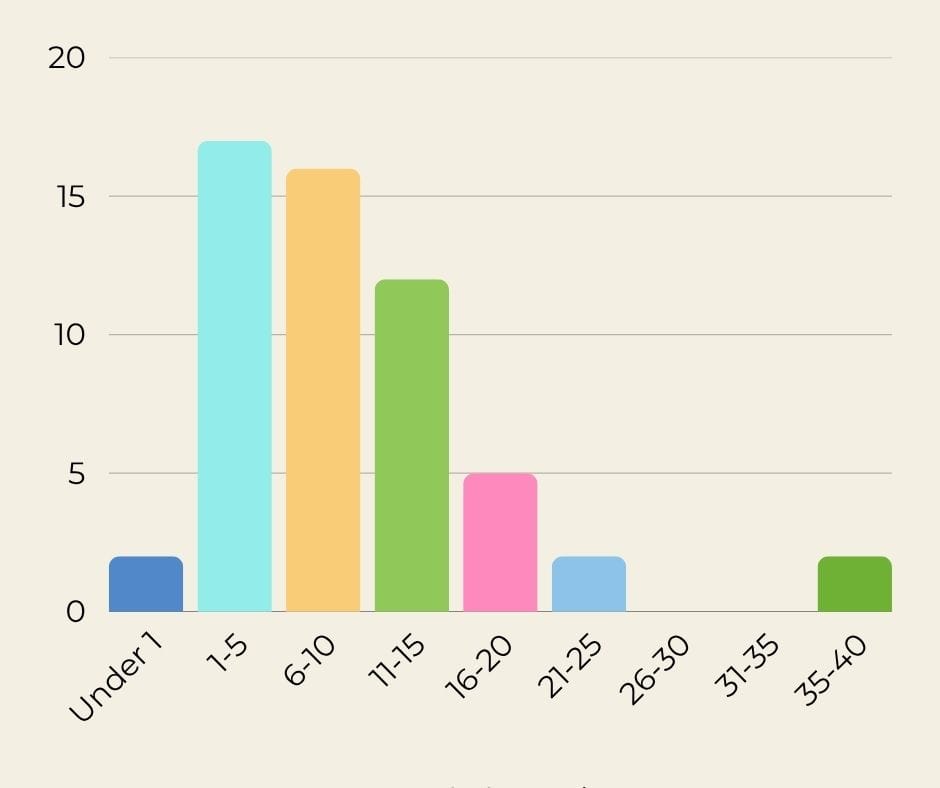
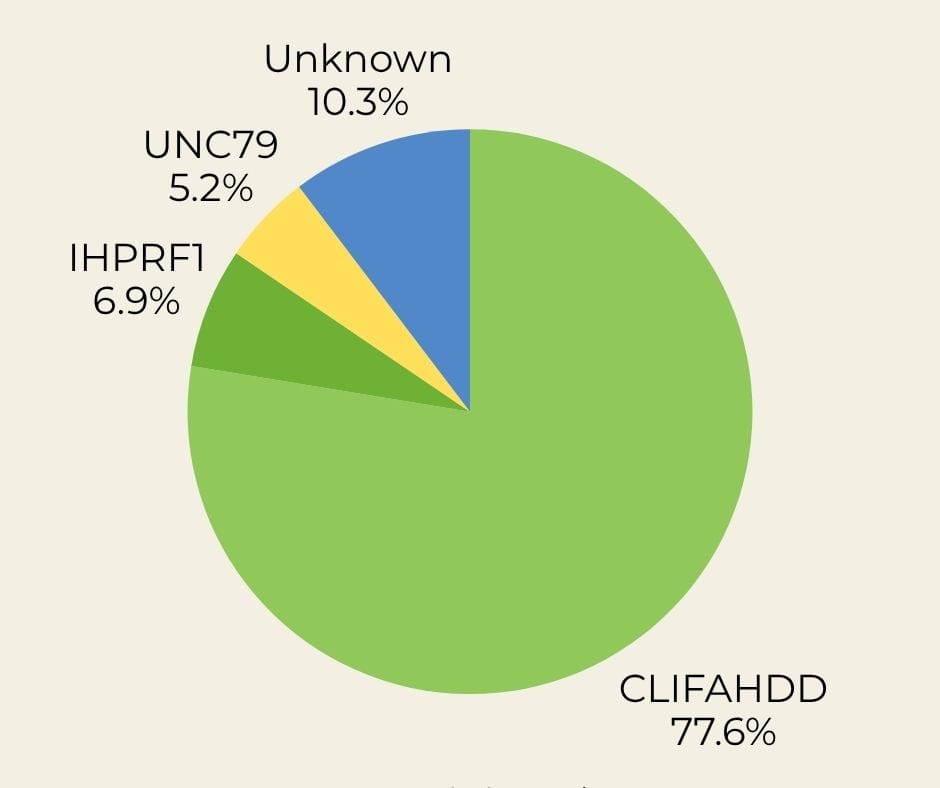
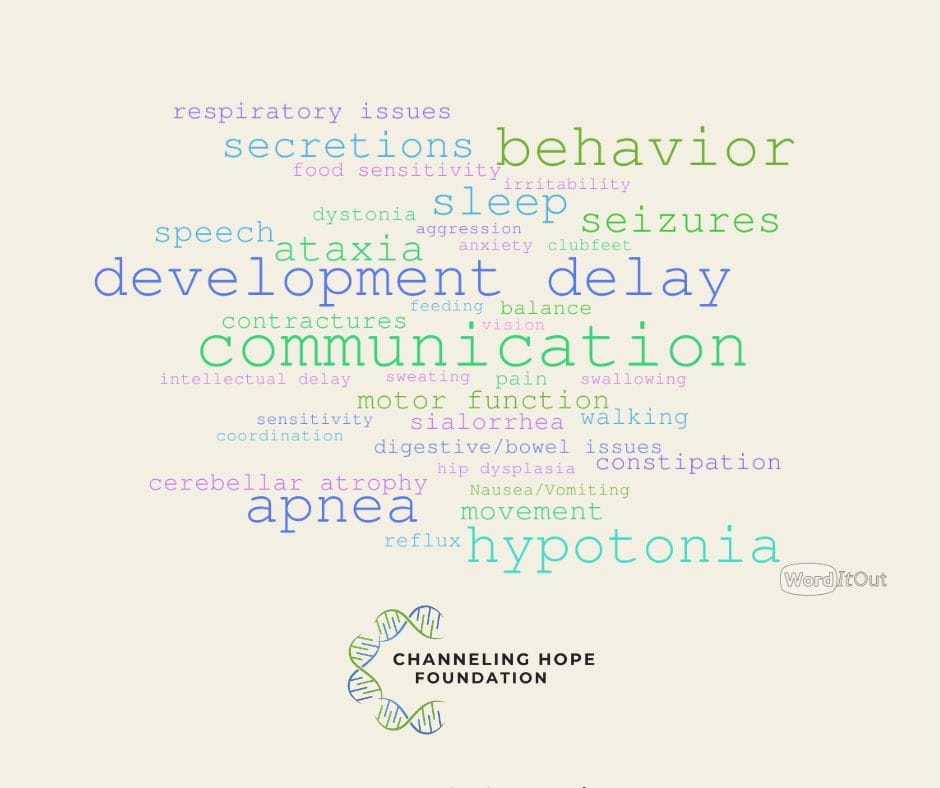
We collected responses from more than 50 families representing ages 0-40. The word cloud displays the most common answers to the question, "What are the most important symptoms to alleviate and treat?"
In one month, we collected responses to a short survey from 60 families. We are now using the information shared to refine our research agenda to focus on families' biggest NALCN concerns. Caregivers can take one step further by completing the Patient-Oriented Outcome Survey (first launched at the 2nd International NALCN Conference last October). The results from this survey will help NALCN researchers define and measure success from any tested treatments. This data is critical to the drug review process conducted by the FDA and other regulatory bodies worldwide.
We are getting ready for summer and our 3rd birthday as an organization. Stay tuned to our social media and website for more news, events, and information from the Channeling Hope Foundation team.